How to Manage Perimenopause and Menopause at Work
For many women, perimenopause begins during the busiest and most demanding years of their careers. As hormone levels begin to fluctuate, symptoms such as fatigue, brain fog and sleep disruption can begin to affect day-to-day performance at work.
Yet despite affecting a large proportion of working women, perimenopause symptoms and menopause symptoms are still often misunderstood or overlooked in the workplace.
Understanding what is happening and knowing how to manage symptoms can make a meaningful difference.
Understanding Perimenopause in the Workplace
Perimenopause is the stage leading up to menopause, when hormone levels begin to change. This transition can last several years, and symptoms often appear gradually.
Many women experience perimenopause while balancing professional responsibilities, leadership roles and busy home lives.
Some of the most common perimenopause symptoms that affect work include:
-
Menopause fatigue
-
Brain fog and difficulty concentrating
-
Sleep disruption
-
Irritability or mood changes
-
Hot flushes and night sweats
Because symptoms can vary widely from person to person, the experience of menopause at work is different for every woman.

The Impact of Menopause Fatigue and Brain Fog
Sleep disruption during menopause often leads to persistent menopause fatigue, which can make maintaining focus and productivity more challenging.
Many women also report experiencing menopause brain fog, which may affect memory, concentration and decision-making.
In demanding professional environments, these symptoms can be frustrating, particularly for women who have previously felt confident managing complex workloads.
Practical Ways to Manage Menopause Symptoms at Work
There are several practical steps women can take to help manage menopause symptoms during the working day.
Prioritise sleep and recovery - Because sleep disruption is so common, creating strong sleep habits can help reduce daytime fatigue.
Plan tasks around energy levels - Scheduling more complex tasks during times of higher energy may help maintain productivity.
Stay hydrated and maintain balanced nutrition - Regular meals and hydration can support energy levels throughout the day.
Take short movement breaks - Gentle movement or a short walk can help reset focus and reduce fatigue.
Seek workplace support where possible - Many UK employers are now introducing menopause policies and workplace guidance to support employees experiencing menopause symptoms.
When Lifestyle Changes Are Not Enough
While lifestyle strategies can help, some women find symptoms persist and begin looking for additional support.
Interest in natural supplements for menopause has grown significantly in recent years, particularly among women seeking non hormonal menopause supplement options.

A Natural Option for Menopause Support
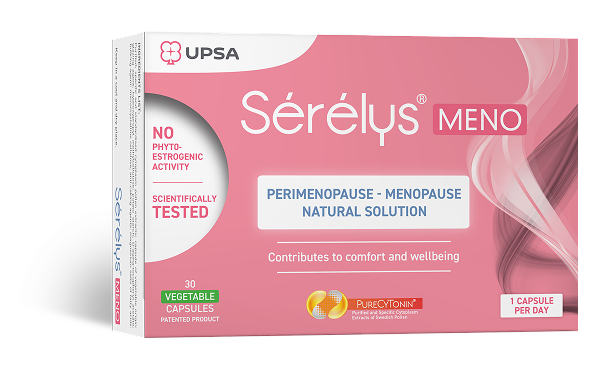
Sérélys MENO is a natural, scientifically proven, non-hormonal supplement designed to support women through menopause and perimenopause, helping to support through fatigue, irritability and sleep disturbances*.
Using PureCytonin®, a patented purified cytoplasmic pollen extract, Sérélys MENO works without hormonal or phytoestrogenic activity.
Clinical studies have shown that Serelys offers extensive support during menopause, including:
-
68% reduction in hot flushes*
-
62% reduction in night sweats*
-
60% reduction in irritability*
-
56% reduction in fatigue*
-
50% reduction in sleep disturbances*
For women navigating menopause while maintaining busy professional lives, having access to safe, effective and non-hormonal support can make a meaningful difference.
Supporting Women Through a Natural Life Stage
Menopause is a natural stage of life, yet the symptoms can be challenging, particularly when they intersect with demanding careers.
With greater awareness, practical strategies and access to effective support options, women can continue to thrive professionally while navigating perimenopause and menopause with confidence.
*Lachowsky M. et al., Evaluation of the quality of life, efficacy and tolerance of Sérelys® in women during perimenopause and menopause. Genesis, 2015; Volume 189: 10-13.